

April marks the annual stress awareness month and shines a spotlight on one of the most pressing challenges facing organisations and individuals today. This is your guide to understanding workplace stress and taking meaningful action.
The Alarming Reality of Workplace Stress
90% of employees report feeling stressed at work
44% consider quitting due to work-related stress
62% of employees feel burned out at work
964,000 UK Workers took time off due to stress, depression, or anxiety in 2024/25 — a record high
Sources: HR Stacks 2026; Health & Safety Executive (HSE), Nov 2025
The High Cost of Unmanaged Stress
Absenteeism & Turnover
Companies lose an estimated $300 billion annually due to stress-related absence and staff turnover — a staggering financial drain on businesses of all sizes.
Presenteeism
Employees show up but cannot perform effectively. This hidden productivity loss often costs organisations more than absenteeism itself.
Physical & Mental Health
77% of employees say workplace stress affects their physical health, leading to fatigue, sleep disorders, and long-term illness.
Legal Duty
Employers have a legal obligation to assess and manage psychosocial risks, including work-related stress — failure to do so carries significant liability.
The Cost of Stress
- High sickness absence and staff turnover
- Presenteeism — present but not productive
- Reduced team morale and cohesion
- Elevated legal and reputational risk
The Power of Resilience
- Higher engagement and performance
- Lower recruitment and training costs
- Stronger culture and retention
- A workplace where people truly thrive
Strengthening Personal Resilience
Equipping employees with practical, evidence-based tools is the first step toward a healthier, more resilient workforce.
Mindfulness & Meditation
Daily mindfulness practice significantly reduces stress. Apps like Calm and Headspace offer guided sessions accessible anywhere.
Physical Activity
Regular exercise is a proven stress reliever. Even short walks during breaks can meaningfully lower cortisol and improve mood.
Time Management
Prioritising tasks, setting realistic deadlines, and learning to say ‘no’ are essential skills for managing workload pressure effectively.
Seeking Support
Encourage open dialogue with managers, HR, or mental health professionals. The NHS website offers accessible, free guidance for all.
Creating a Culture of Openness and Support
Manager Training
64% of employees feel managers lack mental health training. Investing in manager skills is critical.
Open Communication
Foster psychological safety so employees can discuss pressure without fear of stigma or judgement.
Flexible Working
Flexible arrangements reduce perceived stress by 33%, improving wellbeing and productivity.
Recognition
4 in 5 employees feel less stressed when their efforts and contributions are genuinely recognised.
Therapeutic Approaches & Alternative Resources
A multi-layered approach to support — from clinical therapies to community resources — ensures no employee is left without help.
Cognitive Behavioural Therapy (CBT)
A clinically validated therapy for stress and anxiety. CBT helps employees identify and reframe unhelpful thought patterns, building lasting coping strategies.
Employee Assistance Programmes (EAPs)
Confidential counselling and support services, available 24/7. EAPs are one of the most cost-effective investments an employer can make.
Workshops & Seminars
Organise sessions on stress management, resilience-building, and mental wellbeing. Group learning normalises the conversation and builds community.
External Resources
Mind (UK) and OSHA (US) provide extensive, free information on workplace stress — ideal for supplementing internal support structures.
A Culture of Care: Our Commitment
“When people feel supported, they don’t just survive at work — they flourish. A culture of openness isn’t a ‘nice to have’; it is the foundation of a high-performing organisation.”
Psychological Safety: Every voice heard, every concern respected
Continuous Growth: Wellbeing embedded into everyday culture
Whole-Person Support: Mind, body, and professional life considered
Beyond Awareness: Driving Sustainable Change
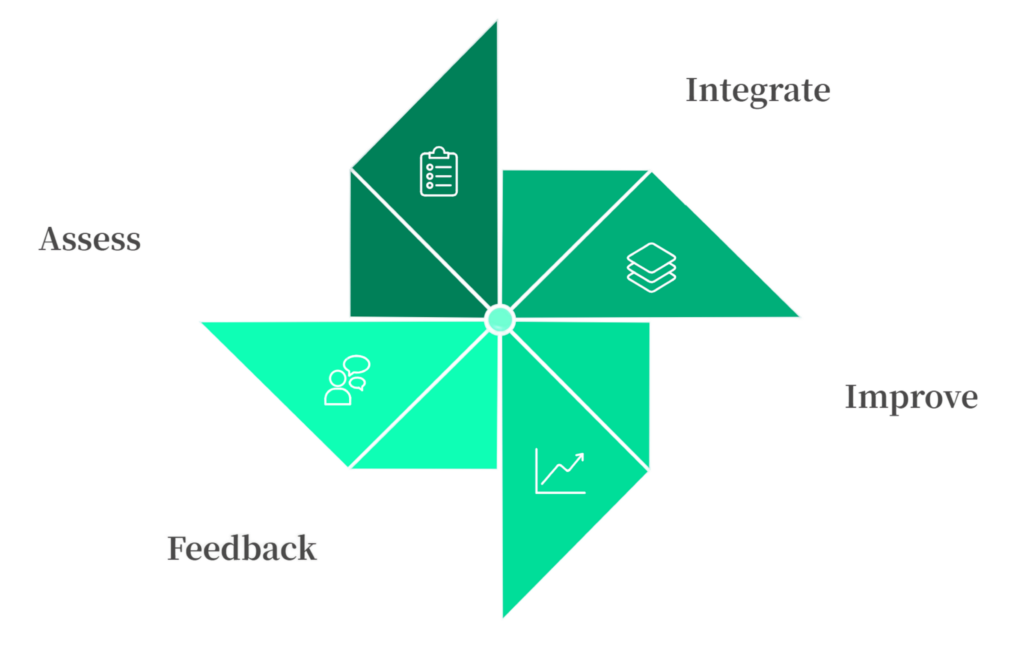
Sustainable change requires moving beyond annual campaigns. Embedding wellbeing into daily operations — through formal risk assessments, policy integration, and continuous feedback loops — creates lasting, measurable impact for employees and the business alike.
Make Stress Awareness Month Count: Act Now
April is a prompt, not a solution. The real question is: what will your organisation do differently by May — and sustain through the year?
Invest in Your People
A healthy, resilient workforce is your greatest competitive asset. The ROI on wellbeing is measurable and significant.
Start Small, Think Big
One conversation, one policy change, one training session — small actions, consistently taken, create a profound cultural shift.
Build a Workplace Where Everyone Thrives
Commit to openness, recognition, and support. Because when your people flourish, your organisation does too.