

by Lena Milioni
Understanding how early experiences shape adult life and pathways to recovery
Childhood Trauma: A Lasting Shadow
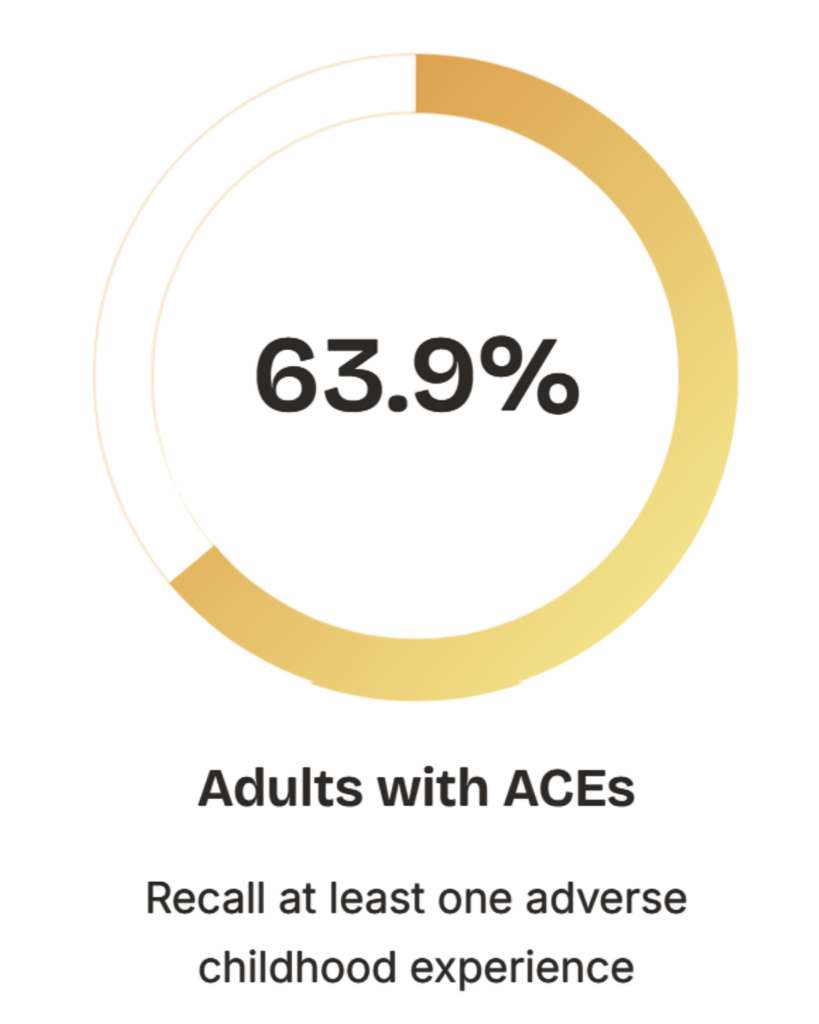
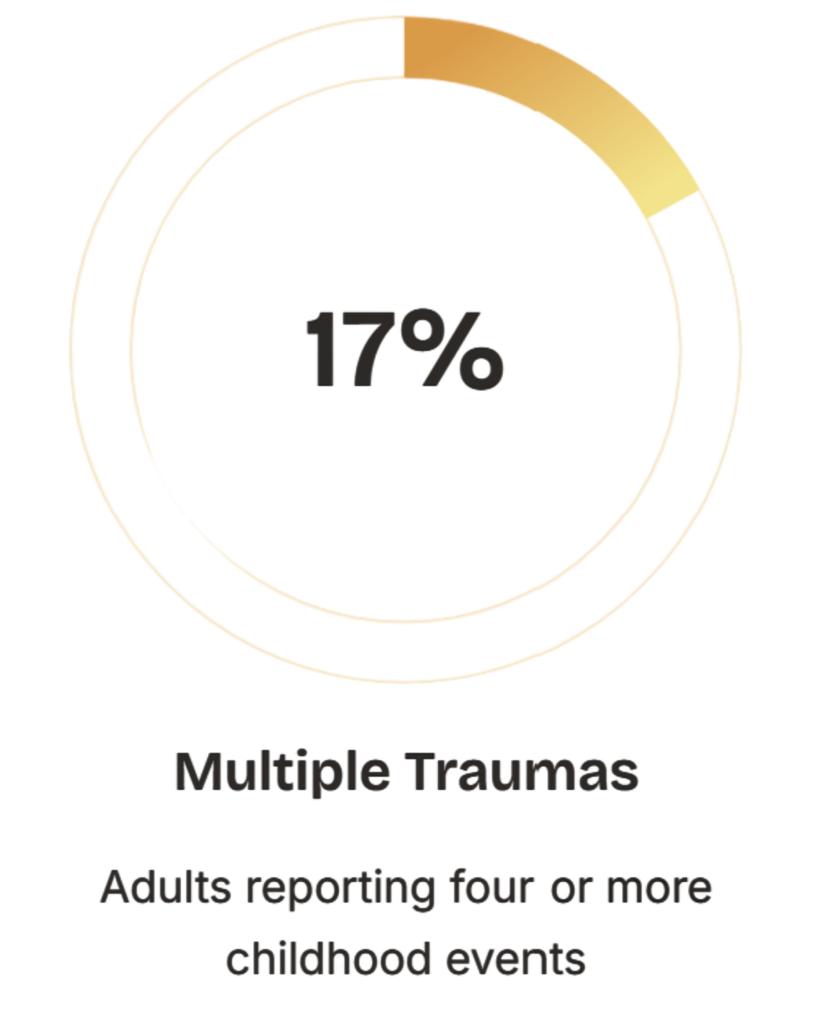
Adverse childhood experiences leave profound imprints that extend far beyond childhood. Research reveals the widespread nature of early trauma and its enduring impact on development, emotional wellbeing, and interpersonal functioning throughout the lifespan.
These experiences fundamentally alter how the brain develops, particularly in areas responsible for emotional regulation, stress response, and forming healthy attachments with others.
Intense Emotional Reactions
Emotional Dysregulation
Survivors often experience difficulty identifying and naming their emotions, a condition known as alexithymia. Mood swings can feel overwhelming and unpredictable, occurring without clear triggers.
Coping Patterns
Emotional dysregulation manifests in two primary ways: internalising behaviours such as self-harm and withdrawal, or externalising through aggression and acting out. Both represent attempts to manage overwhelming feelings.
Self-Soothing Struggles
When childhood environments fail to provide safety and comfort, adults never fully develop the capacity to calm themselves during distress. This fundamental skill deficit impacts daily emotional management.
Relationship Challenges: Fear and Attachment Issues
Insecure Attachment
Early neglect or abuse disrupts the formation of secure attachment patterns. Adults develop insecure or disorganised attachment styles recreating dynamics that were familiar in their childhood.
Push-Pull Dynamics
Trauma survivors often oscillate between desperately seeking connection and pushing others away. This reflects simultaneous longing for intimacy and terror of vulnerability.
Trust Barriers
Profound trust issues and fear of abandonment create barriers to healthy relationships. The very connections needed for healing feel impossibly risky and dangerous.
Dissociation and Memory Gaps

When the Mind Protects Itself
Dissociation represents the mind’s remarkable ability to detach from overwhelming reality. During trauma, this mechanism provides crucial psychological escape, but it can persist long after danger has passed.
Dissociative Amnesia
Childhood memories may become repressed or fragmented, creating gaps in personal history that feel confusing and distressing.
Lost Time
Adults experience periods where they feel disconnected from their feelings, body, or surroundings—as if watching life from outside themselves.
Emotional Numbness
A sense of detachment from one’s own emotions serves as ongoing protection but interferes with authentic living.
Persistent Anxiety and Depression
The psychological burden of childhood trauma significantly increases vulnerability to mental health conditions that can persist throughout adulthood, affecting every aspect of daily functioning and quality of life.
Depression Risk
Childhood trauma survivors face up to 3.7 times higher likelihood of developing clinical depression compared to those without trauma histories.
Anxiety Disorders
Generalised anxiety, panic attacks, and social anxiety are prevalent. The nervous system remains hypervigilant, constantly scanning for danger even in safe environments.
Physical Manifestations
Mental health struggles often appear physically: chronic headaches, digestive issues, muscle tension, and unexplained pain reflect the mind-body connection.
Self-Destructive Behaviours and Substance Misuse
Coping Through Harm
When healthy coping mechanisms were never learned, survivors may turn to destructive patterns that provide temporary relief whilst creating long-term damage. These behaviours often unconsciously recreate or echo early traumatic experiences.
Risky Behaviours
Engagement in dangerous activities, reckless decision-making, or thrill-seeking that puts physical safety at risk.
Substance Dependence
Alcohol and drug use as attempts to numb emotional pain, manage anxiety, or escape traumatic memories and flashbacks.
Self-Sabotage Patterns
Unconsciously undermining relationships, career opportunities, and personal goals—particularly when success feels unfamiliar or undeserved.
Compulsive Behaviours
Eating disorders, excessive spending, gambling, or other compulsions used to regulate overwhelming internal states.
Overwhelming Shame, Guilt, and Low Self-Esteem
“The trauma was never the child’s fault, yet survivors carry profound feelings of worthlessness that shape every aspect of their lives.”
Internalised Shame
Deep-seated beliefs of being fundamentally flawed, damaged, or unworthy of love and belonging persist despite contradicting evidence.
Negative Self-Image
A harsh inner critic dominates thoughts, influencing interpersonal dynamics, career choices, and overall wellbeing in destructive ways.
Perfectionism as Defence
Relentless self-criticism and impossibly high standards serve as attempts to prove worthiness and mask profound feelings of inadequacy.
Physical Health and Somatic Symptoms
The Body Remembers
Trauma doesn’t exist solely in the mind—it becomes encoded in the body’s tissues, nervous system, and cellular memory. Physical symptoms represent the body’s ongoing response to unresolved traumatic experiences.
Chronic Fatigue
Persistent exhaustion that doesn’t improve with rest, reflecting the body’s constant state of hypervigilance and stress.
Unexplained Pain
Chronic pain conditions, fibromyalgia, and mysterious aches without clear medical cause often have trauma roots.
Digestive Issues
The gut-brain connection means trauma manifests as IBS, nausea, and other gastrointestinal problems.
Immune Dysregulation
Chronic stress disrupts immune function, increasing susceptibility to illness and autoimmune conditions.
Healing & Recovery
Acknowledging these signs represents the crucial first step on the path towards recovery. Understanding that these symptoms are normal responses to abnormal circumstances helps lift the burden of shame and self-blame.
-Recognising the signs and symptoms of trauma is the first step
-Eye Movement Desensitisation and Reprocessing, Schema Therapy, and Trauma-focused CBT are approaches that may facilitate healing and long-term recovery.
Remember: Recovery is not linear, and healing takes time. With proper support, understanding, and self-compassion, it is possible to move beyond survival towards truly thriving.